
Sri Lanka, often called the “Pearl of the Indian Ocean,” stands as one of the world’s premier wildlife destinations. This adventure island offers an extraordinary blend of terrestrial and marine ecosystems that make it a paradise for wildlife enthusiasts. From the majestic Asian elephant roaming ancient forests to the elusive leopard stalking through dense jungles, and the magnificent blue whales gracing the southern coast, Sri Lanka delivers unforgettable wildlife encounters that rival any African safari experience.
Why Sri Lanka is a Wildlife Photography Paradise
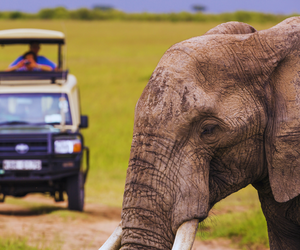
The island’s compact size belies its incredible biodiversity. Within a single day, you can photograph elephants in their natural habitat, track leopards through national parks, and witness the world’s largest mammals breaching in the ocean. This unique combination makes Sri Lanka an unparalleled destination for wildlife photography and adventure seekers.
The country’s commitment to wildlife protection has created a network of national parks and sanctuaries that serve as crucial habitats for both common and endangered species. From the dry zone forests of Yala to the montane cloud forests of Horton Plains, each ecosystem offers distinct wildlife viewing opportunities.
The Magnificent Asian Elephant: Giants of the Wilds
Where to Spot Elephants
The Asian elephant, Sri Lanka’s most iconic mammal, roams freely across several national parks. Udawalawe National Park stands as the premier elephant destination, home to over 500 elephants. The park’s open grasslands and seasonal lakes provide excellent visibility for wildlife photography.
Minneriya National Park offers one of nature’s most spectacular events – “The Gathering.” Between July and October, hundreds of elephants converge around the ancient Minneriya Tank, creating the largest wild elephant congregation in Asia. This phenomenon provides unparalleled opportunities for observing elephant behavior and social dynamics.
Kaudulla National Park serves as an extension of Minneriya, with elephants moving between the two parks depending on water availability. The park’s diverse landscape includes grasslands, forests, and wetlands, supporting not only elephants but also deer, wild boar, and numerous bird species.
Elephant Behavior and Photography Tips
Asian elephants are highly intelligent and social creatures. Family herds are matriarchal, led by the oldest female, while adult males often roam alone or in small bachelor groups. The best wildlife photography opportunities occur during early morning and late afternoon when elephants are most active.
When photographing elephants, maintain a respectful distance and use a telephoto lens. These gentle giants can be unpredictable, especially during musth (mating season) or when protecting young calves. Always follow your guide’s instructions and park regulations to ensure both your safety and the animal’s well-being.
The Elusive Sri Lankan Leopard: Apex Predator of the Island
Yala National Park: Leopard Capital of the World
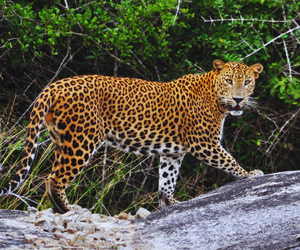
Yala National Park boasts the world’s highest density of leopards, making it the ultimate destination for leopard encounters. The park’s dry zone ecosystem, characterized by thorny scrublands and rocky outcrops, provides perfect leopard habitat. Unlike their African counterparts, Sri Lankan leopards often hunt and move during daylight hours, increasing sighting opportunities.
The park’s Block 1 area offers the best leopard viewing, with several territories overlapping near popular watering holes and resting spots. Leopards are solitary cats, and territorial disputes between males can provide dramatic wildlife photography opportunities.
Wilpattu National Park: The Land of Lakes
Wilpattu, Sri Lanka’s largest national park, offers a more secluded leopard experience. The park’s unique landscape features numerous natural lakes called “villus,” which attract diverse wildlife. While leopard sightings require more patience here, the park’s pristine wilderness provides a more intimate wildlife encounter.
Leopard Behavior and Tracking
Sri Lankan leopards are the island’s apex predators, feeding on spotted deer, wild boar, and smaller mammals. They’re excellent climbers and often rest in trees during the heat of the day. Successful leopard tracking requires understanding their territorial markers, including scratch marks on trees and scent markings.
Early morning safaris offer the best leopard sighting opportunities, as these cats are most active during cooler temperatures. Look for alarm calls from deer and langur monkeys, which often indicate a leopard’s presence nearby.
Whale Watching: Marine Giants of the Southern Coast
Mirissa: Gateway to the Blue Whale Highway
The waters of Sri Lanka’s southern coast, particularly near Mirissa, form part of a major whale migration route. The continental shelf drops dramatically close to shore, creating deep-water conditions that attract the world’s largest mammals just a few kilometers from land.
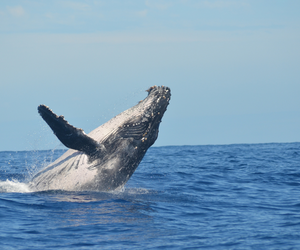
Blue whales, the largest animals ever known to have lived on Earth, frequent these waters year-round, with peak viewing from December to April. Sperm whales, pilot whales, and several dolphin species also call these waters home, making every whale-watching expedition an adventure.
Trincomalee: Eastern Coast Marine Life
The eastern coast around Trincomalee offers excellent whale-watching opportunities from May to October, when the southwest monsoon makes the southern waters rough. This natural phenomenon extends the whale-watching season across different regions of the island.
Marine Wildlife Photography
Whale watching in Sri Lankan waters offers unique photography opportunities. The relatively calm seas and close proximity to shore mean shorter boat rides and more time observing marine life. Blue whales often surface predictably, allowing photographers to capture their massive size and graceful movements.
Dolphins frequently accompany whale watching trips, providing additional wildlife photography subjects. Their playful nature and acrobatic displays create dynamic photo opportunities against the backdrop of the Indian Ocean.
Bird Watching: A Feathered Paradise
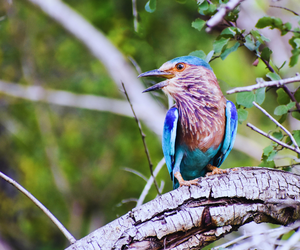
Sri Lanka’s position on the Central Asian Flyway makes it a crucial stopover for migratory birds. The island hosts over 400 bird species, including 34 endemic species found nowhere else on Earth.
Bundala National Park serves as a vital wetland habitat for both resident and migratory waterfowl. The park’s lagoons and salt pans attract thousands of birds, including flamingos, painted storks, and various species of herons and egrets.
The Sinharaja Forest Reserve, a UNESCO World Heritage site, protects the island’s last remaining lowland rainforest. This biodiversity hotspot shelters numerous endemic bird species, making it essential for serious bird watchers and wildlife photographers.
Planning Your Wildlife Safari Adventure
Best Time to Visit
The dry season (May to September) offers the best wildlife viewing conditions in most national parks. Animals concentrate around water sources, making them easier to spot. However, different parks have varying optimal seasons based on local climate patterns.
For whale watching, the southern coast is best from December to April, while the eastern coast offers better conditions from May to October. This seasonal variation allows for year-round marine wildlife experiences.
Essential Safari Gear
Successful wildlife photography requires proper equipment. A telephoto lens (300mm or longer) is essential for capturing distant subjects without disturbing them. Binoculars enhance wildlife viewing, while a sturdy tripod stabilizes equipment during long observation periods.
Protective gear includes sunscreen, insect repellent, and neutral-colored clothing that doesn’t startle animals. A wide-brimmed hat and sunglasses protect against harsh sunlight during extended outdoor periods.
Choosing the Right Safari Experience
Half-day safaris work well for specific wildlife targets, while full-day adventures allow for comprehensive park exploration. Multi-day safaris provide the best opportunities for photographing elusive species like leopards, as repeated visits increase sighting chances.
Private jeep safaris offer more flexibility and personalized experiences compared to group tours. Experienced guides familiar with animal behavior patterns significantly improve wildlife encounter success rates.
Conservation and Responsible Wildlife Tourism
Sri Lanka’s wildlife faces various challenges, including habitat loss and human-wildlife conflict. Responsible tourism plays a crucial role in conservation efforts by providing economic incentives for wildlife protection.
Many of the island’s most endangered animals, including the Sri Lankan elephant and leopard, depend on protected areas for survival. Tourism revenue directly supports park management and conservation programs that safeguard these species for future generations.
Visitors can contribute to conservation by following park rules, maintaining respectful distances from animals, and supporting local communities involved in wildlife protection efforts. Choose tour operators committed to sustainable practices and conservation education.
Your Sri Lankan Wildlife Adventure Awaits
Sri Lanka offers an unparalleled wildlife safari experience that combines terrestrial and marine adventures in a single destination. From tracking leopards through ancient forests to witnessing blue whales in their natural habitat, the island delivers encounters that create lifelong memories.
The country’s commitment to wildlife protection, combined with its incredible biodiversity and accessibility, makes it an ideal destination for both novice and experienced wildlife enthusiasts. Whether you’re passionate about wildlife photography, bird watching, or simply experiencing nature’s wonders, Sri Lanka’s wilds provide adventures that exceed expectations.
Plan your Sri Lankan wildlife safari today and discover why this adventure island ranks among the world’s premier wildlife destinations. With proper planning, respect for nature, and a spirit of adventure, your journey through Sri Lanka’s national parks and marine sanctuaries will create memories that last a lifetime.