
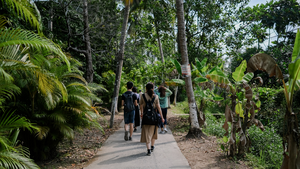
Sri Lanka, the pearl of the Indian Ocean, offers travelers an extraordinary opportunity to experience natural wonders while making a positive impact on local communities and the environment. As awareness grows about tourism and sustainability, more visitors are seeking ways to explore this beautiful island nation through eco-friendly tourism practices that preserve its rich biodiversity for future generations.
Why Choose Sustainable Tourism in Sri Lanka?
The concept of sustainable tourism goes far beyond simple conservation—it’s about creating meaningful connections between travelers, local communities, and the natural environment. When you travel to Sri Lanka sustainably, you’re contributing to a tourism model that protects the island’s pristine ecosystems, supports local livelihoods, and ensures that the country’s natural heritage remains intact for generations to come.
Sri Lanka’s commitment to ecological tourism is evident in its extensive network of national parks, marine sanctuaries, and community-based conservation projects. From the misty highlands of Ella to the pristine beaches of Mirissa, eco tourism in Sri Lanka offers diverse experiences that showcase the island’s remarkable biodiversity while promoting environmental stewardship.
Sustainable Travel Practices for Your Sri Lanka Adventure
Choose Eco-Friendly Accommodations
When planning your Sri Lanka holidays, select accommodations that prioritize environmentally friendly practices. Look for hotels and lodges that use renewable energy sources, implement water conservation measures, and support local communities. Many eco-resorts in Sri Lanka now feature sustainable materials in their construction and offer guests insights into local conservation efforts.
Support Local Communities Through Responsible Tourism
Sustainable travel means ensuring that tourism benefits reach local communities directly. Choose locally-owned restaurants, purchase souvenirs from village artisans, and participate in community-based tourism initiatives. This approach to travel and tourism in Sri Lanka ensures that your visit contributes to economic development while preserving cultural traditions.
Minimize Your Environmental Footprint
Traveling sustainably requires conscious choices about consumption and waste. Pack reusable water bottles, choose accommodations that avoid single-use plastics, and look for businesses that use sustainable packaging and eco-friendly products. Many forward-thinking operators now provide biodegradable packaging for meals and use eco-friendly packaging for tour supplies.
Must-Visit Eco-Tourism Destinations in Sri Lanka
Sinharaja Forest Reserve
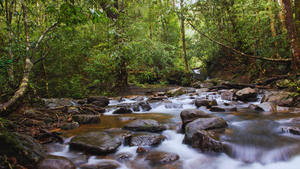
This UNESCO World Heritage site represents the pinnacle of ecological tourism in Sri Lanka. Home to numerous endemic species, Sinharaja offers guided nature walks that educate visitors about rainforest conservation while generating income for local communities. The reserve’s commitment to sustainable products extends to locally made crafts and organic food offerings.
Yala National Park
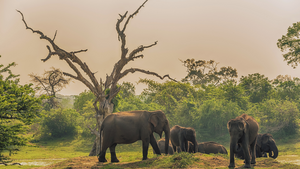
Famous for its leopard population, Yala demonstrates how wildlife tourism can support conservation efforts. The park’s sustainable tourism initiatives include visitor limits, designated camping areas using sustainable materials, and community ranger programs that provide employment opportunities for local residents.
Knuckles Mountain Range
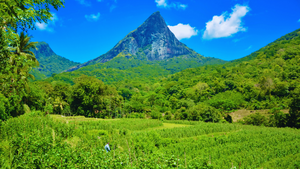
This biodiverse mountain range offers excellent ecotourism tours that combine adventure with education. Local guides share traditional knowledge about medicinal plants and sustainable farming practices, while trekking routes are carefully managed to minimize environmental impact.
Marine Conservation Areas
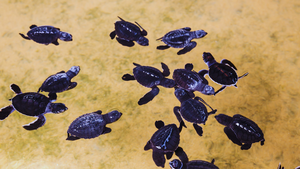
Sri Lanka’s coastal waters offer incredible opportunities for sustainable marine tourism. Whale watching excursions follow strict guidelines to protect marine life, while turtle conservation projects allow visitors to participate in beach cleanups and hatchling releases.
Planning Your Sustainable Sri Lanka Adventure
Best Times for Eco-Tourism
Consider visiting during shoulder seasons to reduce overtourism pressure on popular destinations. The inter-monsoon periods (March-April and September-November) offer excellent conditions for eco tourism while supporting more balanced visitor distribution throughout the year.
Packing for Sustainable Travel
Bring reusable items like water bottles, shopping bags, and utensils to minimize waste. Choose clothing made from sustainable materials and pack reef-safe sunscreen to protect marine ecosystems during coastal visits.
Transportation Choices
Opt for trains and buses when possible, as Sri Lanka’s public transportation system offers scenic routes with lower environmental impact. When private transportation is necessary, choose operators who prioritize fuel efficiency and vehicle maintenance.
The Future of Sustainable Tourism in Sri Lanka
Sri Lanka’s commitment to sustainable tourism continues to evolve, with new initiatives focusing on renewable energy, waste reduction, and community empowerment. The country’s tourism industry increasingly recognizes that long-term success depends on preserving the natural and cultural assets that make Sri Lanka such a compelling destination.
By choosing eco-friendly tourism options during your visit, you become part of this positive transformation. Every sustainable choice—from selecting accommodations with environmental certifications to participating in conservation activities—contributes to a tourism model that respects both people and planet.
Conclusion
Eco tourism in Sri Lanka offers travelers the opportunity to experience one of the world’s most biodiverse countries while contributing to its conservation and community development. Through sustainable travel practices, visitors can enjoy authentic experiences that create lasting positive impacts.
Whether you’re exploring ancient rainforests, observing wildlife in national parks, or learning about traditional farming practices in rural villages, sustainable tourism in Sri Lanka provides meaningful connections with both nature and culture. By choosing eco-friendly tourism options, you’re not just a visitor—you’re a partner in preserving Sri Lanka’s natural heritage for future generations.